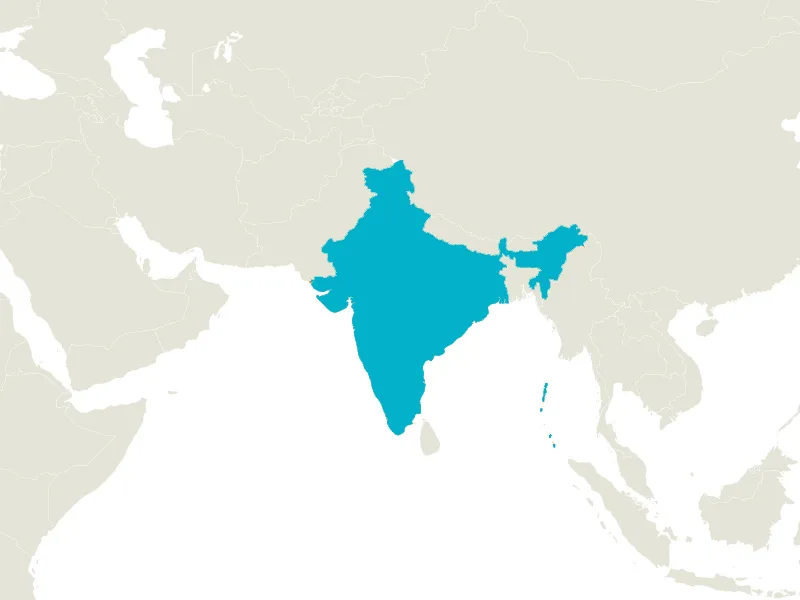
India: Food and Climate Security

Dry ice made from atmospheric CO2 can help reduce food waste and the climate.

As much as 40% of food produced in India is wasted because of spoilage, resulting in a loss of as much as $14 billion annually. We can reduce food waste and thus the food industry’s environmental impact by implementing net-zero direct air capture that produces CO2 to provide refrigeration for transporting fresh produce and meats. Given its high rates of food waste and hunger, the eastern coast of India is an ideal location for a demonstration project.

Our proposed solution would provide environmental, social, and economic benefits to the local community while addressing food waste and refrigeration-related emissions. We are excited about the potential of this proposal and look forward to collaborating with like-minded individuals and organizations to pursue this innovative and sustainable solution.


Co-Benefits 

  1. Climate Mitigation: Implementing CO2 capture and converting to dry ice can reduce dependence on fossil fuels. Dry ice made from atmospheric CO2 is a carbon-neutral cold chain solution that helps mitigate climate change by reducing GHG emissions.
  2. Less Food Waste: Effective cold chain systems can reduce food waste, resulting in fewer emissions associated with food production and disposal.
  3. Improved Food Security: Using dry ice to preserve perishable goods extends food shelf life, enhancing food security and access to fresh produce.
  4. Better Public Health: Increased availability of fresh and safe food products can improve public health and better nourishment.
  5. Complementary to Unreliable Grid Electricity: The reliable cooling dry ice provides can complement sparse and unreliable grid electricity, particularly in regions that lack consistent power supply.
  6. Job Creation: Establishing dry ice production and cold chain facilities can create job opportunities in manufacturing, transportation, and logistics, thereby contributing to local economic development.
  7. Local Industry Development: Developing a dry ice production industry stimulates local manufacturing and entrepreneurship, reducing the need to import cooling agents and equipment while increasing local incomes.
  8. Reduced Environmental Impact: Dry ice has a lower environmental impact than some other refrigerants: it does not contribute to ozone depletion and has a relatively short atmospheric lifetime.
  9. Stimulation of Innovation: Adopting sustainable cooling solutions, such as dry ice, can stimulate innovation and technological advancement in cold chain logistics.

Net-zero CO2 direct air capture technology for dry ice production and transportation refrigeration could help reduce the food industry's environmental impact, while addressing food waste and refrigeration-related emissions, providing environmental, social, and economic benefits to the local community.

Our proposed solution would provide environmental, social, and economic benefits to the local community while addressing food waste and refrigeration-related emissions. We are excited about the potential of this proposal and look forward to collaborating with like-minded individuals and organizations to find sustainable solutions.


Other Projects

ezgif.com-gif-maker (1)
Kenya: A Carbon-Neutral Cold Chain
nigeria 2
Nigeria: Water Desalination
Chilie
Chile: Climate Friendly Mining

Numbers:

Overall Food Waste: 40%

Undernourished population: 14.5%

Under-5 mortality rate: 4.8 %

Economical Loss: $14 billion 

Shortfall in cold chain: 90% 

60% of India’s cold storages are located in 4 states only.

Host an event

Contact Us