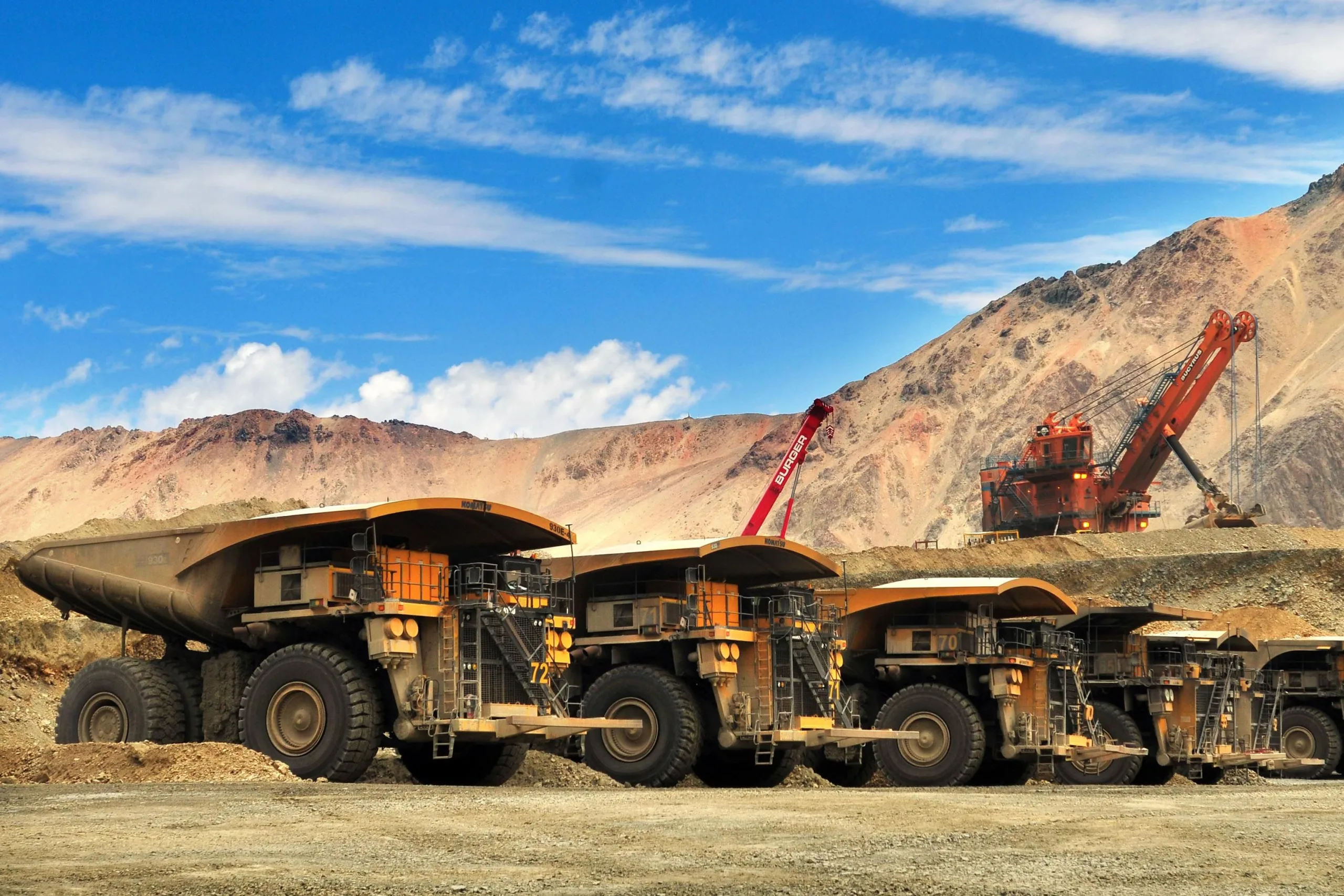
CO2 captured from the atmosphere combined with hydrogen can provide clean fuels for heavy machinery necessary for mining
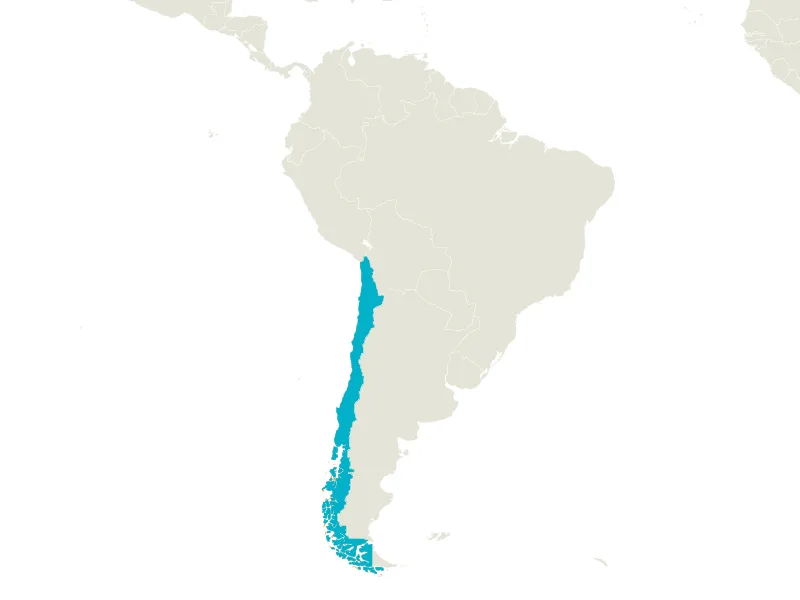
Although its carbon footprint is relatively small compared to other sectors, the mining industry significantly contributes to global greenhouse gas emissions. For example, the Chilean copper mining industry now has a direct emissions rate of more than six million metric tons of CO2, which represents a 40% increase since 2010. With the increasing demand for copper and lithium, reducing the industry’s carbon footprint is crucial.
We propose a pilot project to demonstrate the feasibility of reducing emissions in the mining industry. Utilizing the abundant sunlight in Chile, renewable energy sources are harnessed for direct air capture and the electrolysis processes, yielding both CO2 and hydrogen for synthesizing carbon-negative fuels. The resulting fuels will power both mining equipment and the trucks needed to transport the retrieved copper and lithium.
This synthetic fuel demonstration project represents a unique opportunity to reduce greenhouse gas emissions, improve energy efficiency, and create a more sustainable future for the mining industry. We look forward to continued partnerships and collaborations with individuals and organizations committed to pursuing innovative, climate-friendly solutions.
We propose a pilot project to demonstrate the feasibility of reducing emissions in the industry, using carbon-negative fuels produced from direct air capture of atmospheric CO2 and hydrogen produced through electrolysis of water, enabled by renewable energy sources.
The Chilean copper mining industry has a direct emissions rate of over six million metric tons of CO2, a 40% increase from 2010. With the increasing demand for copper and lithium, reducing the industry’s carbon footprint is crucial. The synthetic fuel demonstration project represents a unique opportunity to reduce greenhouse gas emissions, improve energy efficiency, and create a more sustainable future for the mining industry. We look forward to continued partnerships and collaborations with individuals and organizations committed to finding innovative and sustainable solutions.
The copper mining industry using carbon negative fuels produced from direct air capture of atmospheric CO2 and hydrogen produced through electrolysis of water, enabled by renewable energy sources, presents a unique opportunity to reduce greenhouse gas emissions, improve energy efficiency, and create a sustainable future for the mining industry, which has a direct emissions rate of over six million metric tons of CO2, a 40% increase from 2010.