

Kenya’s strategic location along the Earth’s rift zone presents a remarkable confluence of opportunities to become a global leader in sustainable energy, carbon management, job creation, and innovative food solutions. The geological features of this region, including a thinner Earth’s crust, provide a dual advantage for both geothermal energy and carbon storage, while also facilitating the creation of a groundbreaking project focused on atmospheric CO2 to dry ice production.

Carbon Footprint of Food Loss
Food production is responsible for one-quarter of the world’s greenhouse gas emissions. Unconsumed food generates 4.4 Gt CO2 eq annually, about 8%-10% of total anthropogenic GHG emissions. This global issue affects society, the environment, and the economy. When food is lost, not only resources like land, water, energy, labor, and capital go to waste. In addition, soil depletion, over-fertilization, and the emission of CO2 and methane are very concerning. According to the United Nations Environment Program’s food wastage index report, around 931 million tonnes of food waste was generated in 2019. This suggests that 17% of total global food production may be wasted. Approximately 33% of the world’s food production is either lost or wasted, exacerbating the challenges faced in ensuring food security and sustainability.
Dry ice can keep fruits, vegetables, and meats fresh during transport from farm to distributor. Direct air capture, powered by renewable energy, can harvest atmospheric CO2, and then provide the energy to compress the gaseous CO2 into its cold solid form–carbon-neutral dry ice.
The Cold Chain Infrastructure (CCI) deployment in Kenya is underdeveloped for required value chains. However, it is more elaborate for horticulture, for example, given the need to adhere to the strict quality requirements of target export markets. Most FFV (Fruit and Vegetable) losses occur between the farm gate and post-harvest handling (the first mile). The current CCI market for FFV is estimated at US$511 million and is expected to reach approximately US$1 billion by 2030. The CCI market size for FFV at the production level assumes that the total production, minus what is wasted at the farm gate, requires a cold chain. The CCI meat market sizing considers beef, camel, pig, chicken, sheep, and rabbit meat, among others. The current CCI market opportunity is estimated at US$15.8 billion and is expected to double by 2030. This is because CCI in the meat value chain is nearly non-existent, with cold chains mainly limited to government abattoirs and premium retail shops (premium butcheries and supermarkets) that distribute meat. This is primarily due to the requirement that a slaughterhouse has freezing and chilling facilities before registration. It may be of interest to mention that the dairy market shows similar numbers, while the fish sector CCI is expected to decline due to a decline in production. A study by Efficiency for Access finds that in Kenya, there will be a total opportunity for CCI deployment worth US$2.1 billion in 2030, considering the FFV, Dairy, and Fish value chains.
Dry Ice Energy Efficiency and Temperature Range:
Co-Benefits
These co-benefits emphasize how the use of dry ice in the cold chain can have wide-ranging positive effects, including environmental sustainability, economic development, and improvements in public health and food security:
Food production is responsible for one-quarter of the world’s greenhouse gas emissions. Unconsumed food generates 4.4 GtCO2 eq annually, or about 8%-10% of total anthropogenic GHG emissions. It is a global issue affecting society, the environment, and the economy.


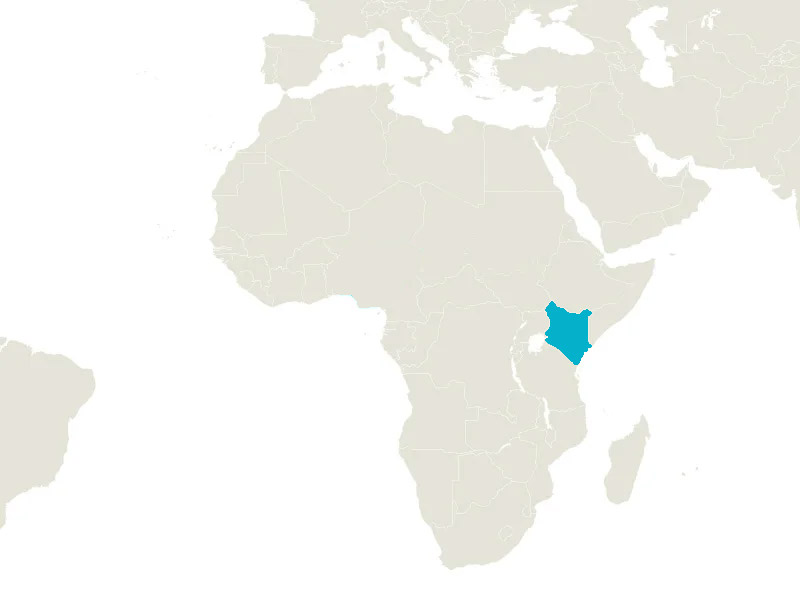
At 31.5% of the country’s GDP, agriculture is the backbone of Kenya’s economy. It employs 38% of the population, and the World Bank’s Kenya Agriculture Sector Risk Assessment report shows that more than 75% of the total agricultural production comes from smallholder farmers. Post-harvest management is a major challenge in Kenya’s agricultural sector, however, with estimated losses of 50% of fruits and vegetables at the farmgate level and 50% of meat post-slaughter. According to current projections, Kenya’s population will surpass 100 million people by the end of 2058 and reach 125 million by the end of the century. With its growing population and rising demand for food, increased disruptions in global food supply chains, and the challenges posed by climate change, Kenya may face extreme food shortages, especially among low-income households and within drought-prone areas. Effective cold chain infrastructure (CCI) could mitigate many of those challenges and help reduce food losses.